Today We Tend, Tomorrow We Thrive

A jumpstart with a gentle hand
By: Olivia Elliott
The dual enrollment program at NGFS gives high school students the opportunity to participate in college courses while earning high school and college credit concurrently. Through partnerships with local colleges, UNCG, GTCC, and Guilford College, NGFS students can explore a vast array of courses and tap into the resources these campuses provide, all while maintaining the support and guidance of the teachers they know and trust at NGFS.
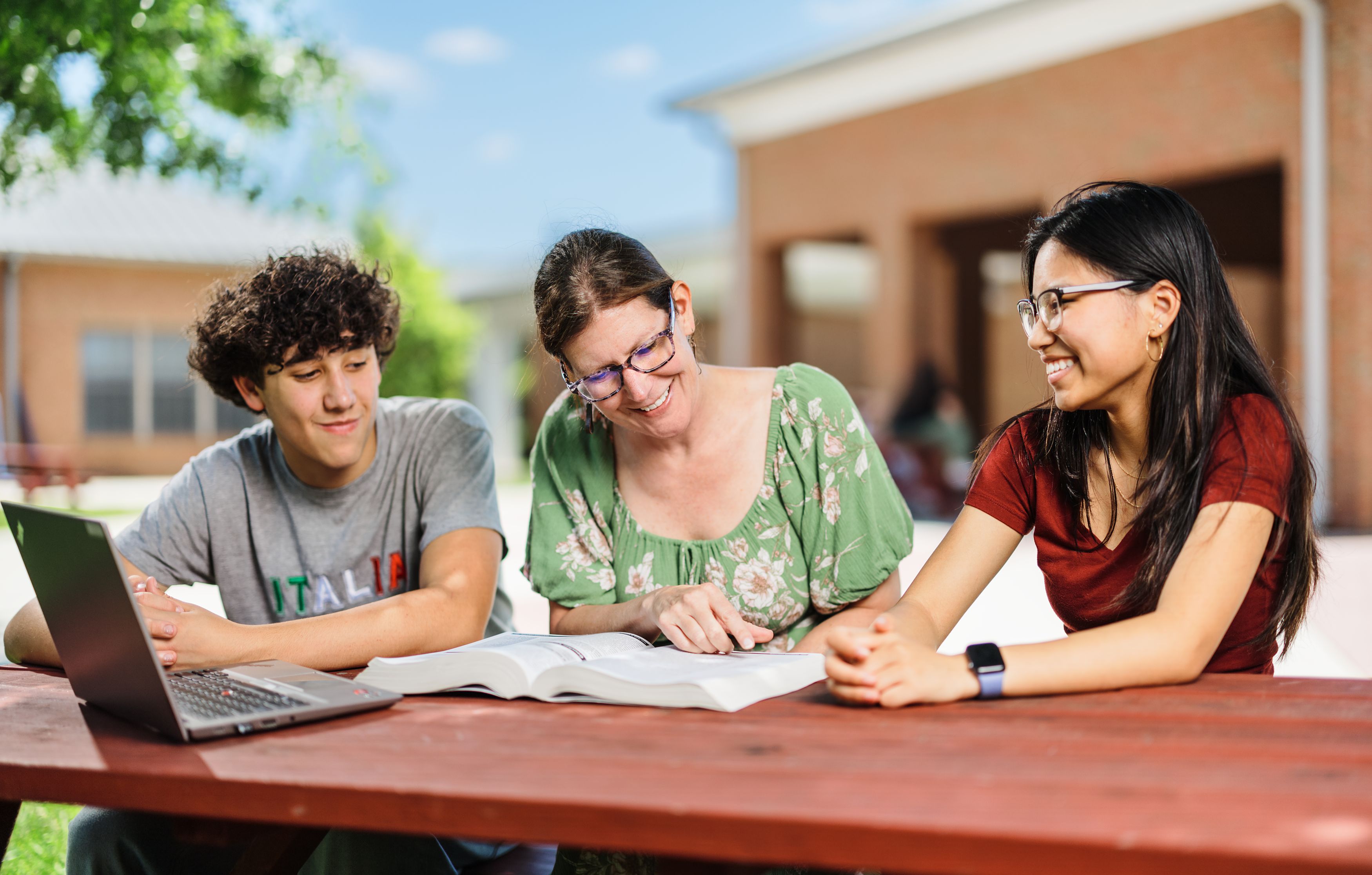
According to Allie Blosser, Upper School Academic Dean and College Counselor, dual enrollment at NGFS, “is not just about gaining college credits; it also helps students develop problem-solving, time management, organizational, and self-advocacy skills,” giving them independence and reassurance as they navigate college-level work in high school. The continued presence of NGFS teachers provides dual enrollment students with a unique support system that bridges secondary and postsecondary expectations, easing the transition and enhancing student outcomes.
NGFS’s dual enrollment program is designed to prepare students for their next step and beyond, teaching them to develop key life skills while navigating university-level coursework. The application process itself emphasizes reflection and readiness.
Students write an essay explaining why they want to participate in dual enrollment and how they feel academically and socially prepared. Staff review each essay carefully to ensure each student is set up for success. Families and staff then work together to select the college that best fits the student’s interests—GTCC, Guilford, or UNCG—and choose courses that align with their goals, whether earning general education credits or exploring high-interest classes like Introduction to Exercise Science, Sports Management (which is especially popular at Guilford), and Introduction to Sociology.
NGFS’s dual enrollment program is unique in the level of support it provides. Assistance begins as early as 8th grade, when Allie meets with families to discuss trajectories, student interests, and future goals. Together, they map out a four-year plan, which “nine times out of 10…includes classes in our dual enrollment program.”
Once enrolled, students receive comprehensive guidance: staff assist students with attending campus orientations, registering for classes, purchasing books, and navigating online learning platforms like Blackboard or Canvas. If students desire it, they can also have dedicated time at New Garden in the Ready for Day 1 class to work on assignments and ask questions. Staff, including advisors, Information Technology Director Lisa Bates-Glass, or Allie, check in with students to monitor progress and connect them to additional resources on their college campuses when needed, such as writing centers or accessibility services. This approach provides a safety net while encouraging independence, self-advocacy, and confidence in navigating college-level work.
Sometimes, the most valuable lessons come from unforeseen challenges. Allie recalled an example in which one student misinterpreted a due date and received a zero on an assignment. Feeling disappointed, they reached out to Allie for support, who was able to assist them in navigating the situation.
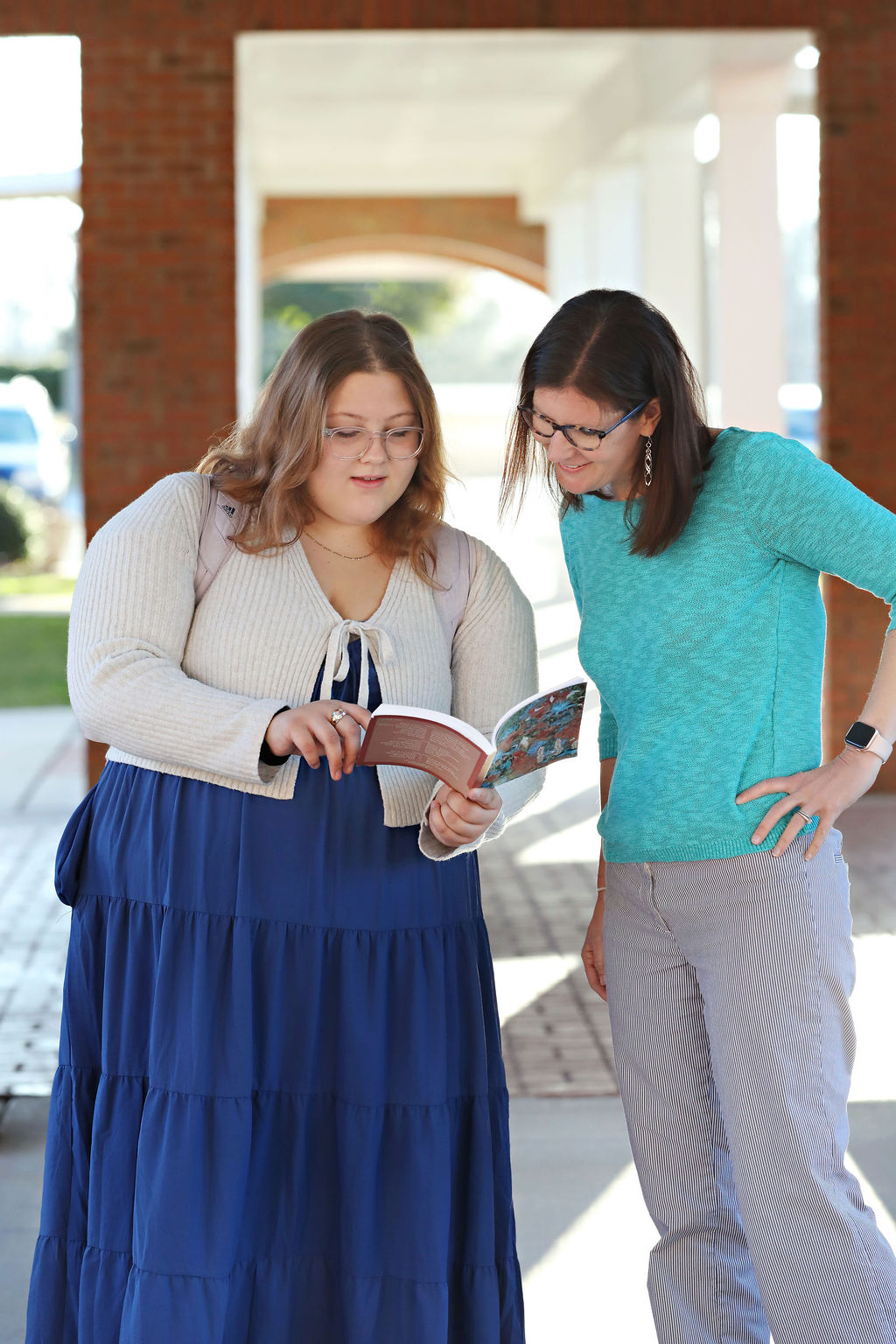
Allie explained, “I helped them realize it’s not the end of the world. Mistakes happen, and part of navigating college is learning to manage deadlines. Together, we emailed the professor and explained the situation. While the teacher didn’t accept the assignment late, the student had demonstrated responsibility and initiative. The following semester, the student double- and triple-checked every syllabus and due date, saying, ‘I’m never going to do that again.’” This moment not only reinforced the importance of careful time management but also displays how having immediate guidance from a trusted mentor can turn a misstep into a valuable learning opportunity.
Other challenges illustrate how dual enrollment builds problem-solving and professional communication skills. One student regularly asked Allie questions like, “‘Here’s what I think my professor is asking, am I reading this correctly?” and “Here’s my plan for tackling this assignment—does that seem like I’m on the right track?’” In these moments, students learn to ask thoughtful questions, seek guidance, and communicate clearly.
Students also exercise practical life skills, such as emailing professors when needing to miss class. Allie explains, “We make sure they introduce themselves, explain the situation, and outline how they plan to make up the missed work. That gives them a really good life skill for college… Learning how to communicate with professors respectfully and proactively.” Through these experiences, students gain confidence, self-advocacy, and skills that extend far beyond the classroom.
The benefits of the program go beyond learning transferable skills. Dual enrollment allows students to earn college credit early, potentially reduce their future course load, and save on tuition through subsidized or free courses. The program also offers early exposure to career exploration.
One junior interested in technical work carefully planned his high school and dual enrollment courses to prepare for Guilford Apprenticeship Partners in his senior year. Allie shared, “He’s loving learning to become an electrician. We’ve been checking on his progress, making sure he’s on track, and helping him connect the coursework to hands-on experience.” His mom often sends pictures of him installing light switches, a tangible example of how early preparation translates into real-world experience.
Another student explored aviation through GTCC dual enrollment and is now weeks away from earning his pilot’s license. Allie notes, “By participating in this program early, students gain exposure to the field and the college environment before they’re navigating college independently.” Both students demonstrate how planning ahead allows high schoolers to test interests, gain practical skills, and approach their next steps with confidence.
.jpg)
What makes our dual enrollment program truly different is the balance of independence and support. Students are given responsibility and the freedom to explore academic and career interests, while staff provide unique personalized guidance at every step, from planning and applications to course selection, orientation, and invaluable ongoing check-ins. By starting early, focusing on each student’s goals and connecting them to the right resources, the program prepares students not just to earn college credit but to thrive academically, socially, and professionally. It’s a student-centered approach that equips learners with the skills, experience, and confidence to succeed long before they transition into being a full-time college student.