

A Tradition of Educational Leadership and Purpose
For more than three centuries, Quakers have been committed to the transformative power of education. Grounded in the belief that every person has inherent worth and the capacity to learn, Friends have played a significant role in shaping schools, colleges, and educational opportunities across the United States and here in North Carolina.
Many of today’s most respected institutions of higher education—including Cornell University, Johns Hopkins University, Swarthmore College, and Bryn Mawr College—were founded by Quakers or have deep Quaker connections. Their commitment to intellectual curiosity, ethical leadership, and the pursuit of knowledge reflects values that continue to influence Friends education today.
Quakers have a long history of educational leadership in North Carolina. In 1705, Friends established the first school in the North Carolina Colony. Locally, Guilford College, founded by Quakers in 1837, was among the first coeducational colleges in the United States and remains an important part of the region’s educational heritage.
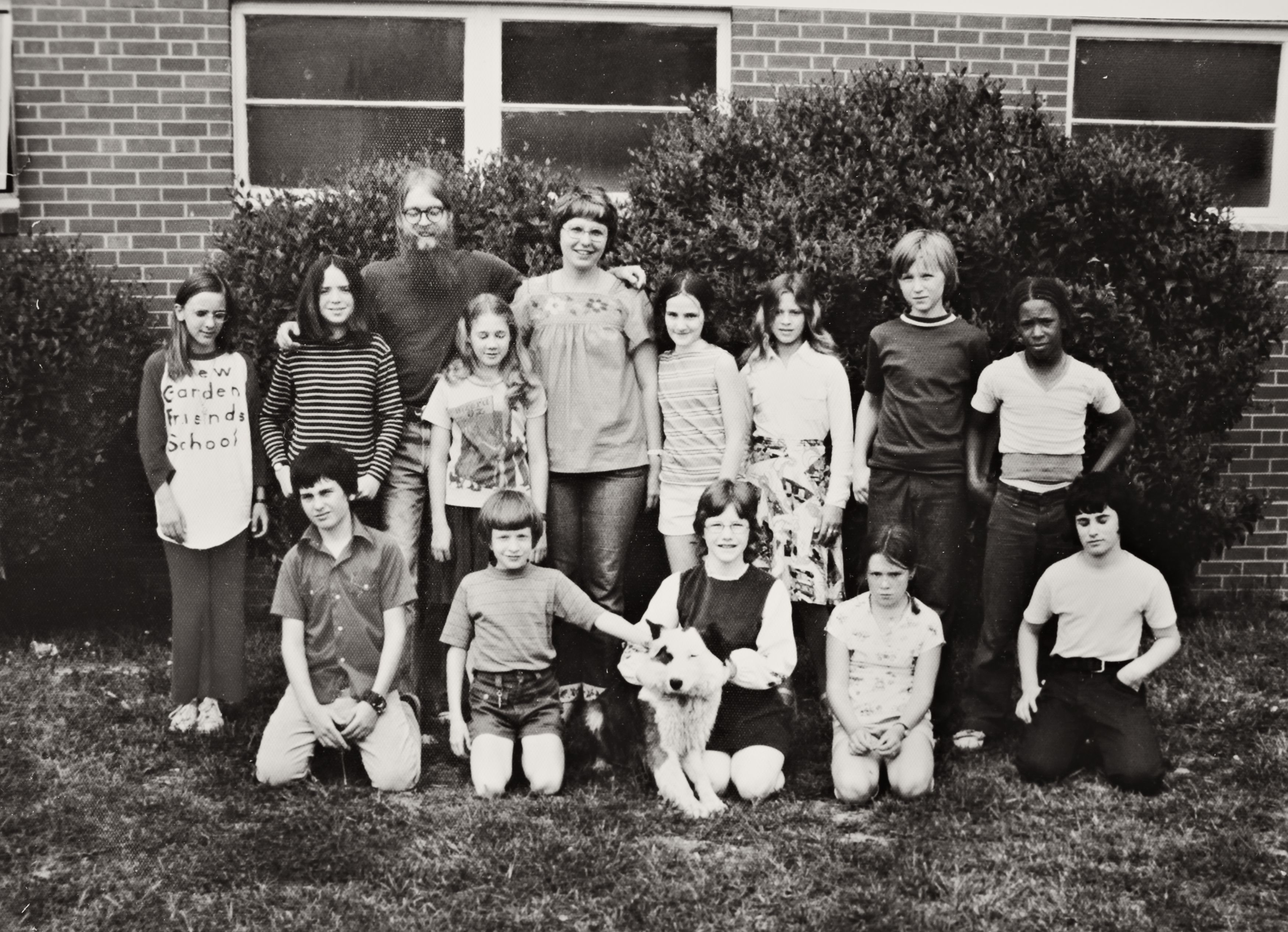
Long before the creation of a comprehensive public-school system, Quakers operated community schools, trained teachers, and championed access to education throughout Guilford County. Friends educators later helped shape the emerging public-school system, carrying forward a belief that education should be accessible, meaningful, and grounded in respect for the dignity of every person.
From its earliest days, the Religious Society of Friends embraced the principle of equality, including the spiritual equality of women and men. This conviction led Quakers to support the education of girls and women long before such opportunities were widely available. Friends also played an important role in expanding educational opportunities for African Americans. In 1821, Levi Coffin, a member of New Garden Friends Meeting and later known as one of the founders of the Underground Railroad, taught enslaved people to read at the Little Brick Schoolhouse on the grounds of New Garden Friends Meeting. Quaker schools and colleges, including Guilford College, integrated classrooms long before federal mandates required them to do so.
It is from this rich tradition of educational leadership, inclusion, and social responsibility that New Garden Friends School was founded.
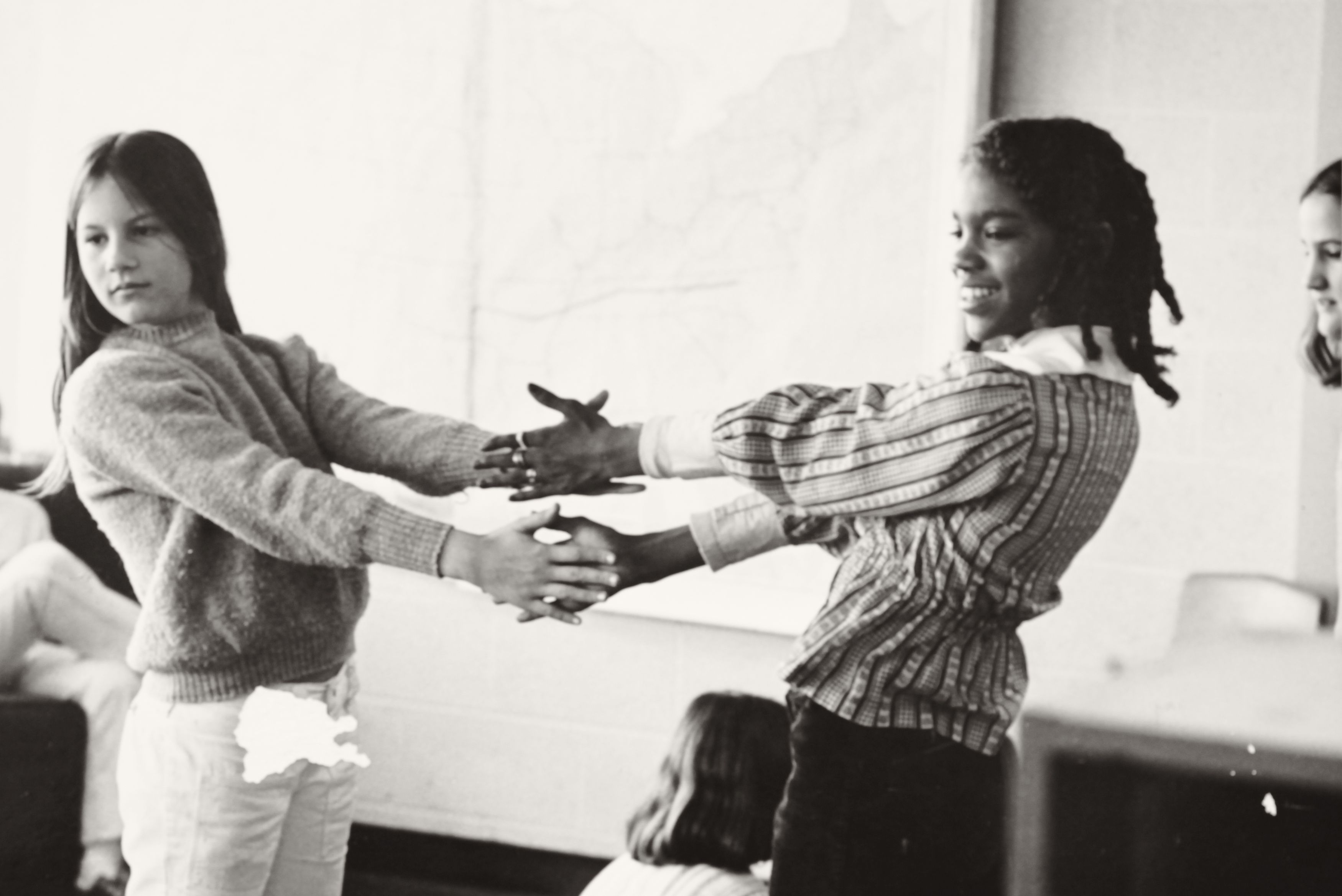
In 1971, Jim Newlin and Bruce Stewart shared a vision of creating a Quaker school in Greensboro where children from diverse backgrounds could learn together in a safe, nurturing environment rooted in respect, reflection, and the belief that there is “that of God,” or an inner Light, in every person. With the support of dedicated community partners, NGFS opened its doors with 60 students and a commitment to using education as a force for inclusion, understanding, and positive change.
Today, more than fifty years after its founding, New Garden Friends School remains guided by the same purpose that inspired its founders: to be an inclusive educational community that honors and develops each person's gifts. Rooted in Quaker values and inspired by a long tradition of educational leadership, NGFS continues to prepare students not only for college and careers, but for lives of purpose, service, and meaningful contribution to the world around them.